- «We believe in people and businesses to grow together.»
- (202) 903-0304
- director@freedomnewstoday.com



Congressman Likens His own behavior in Marines to that of war crimes suspect
May 29, 2019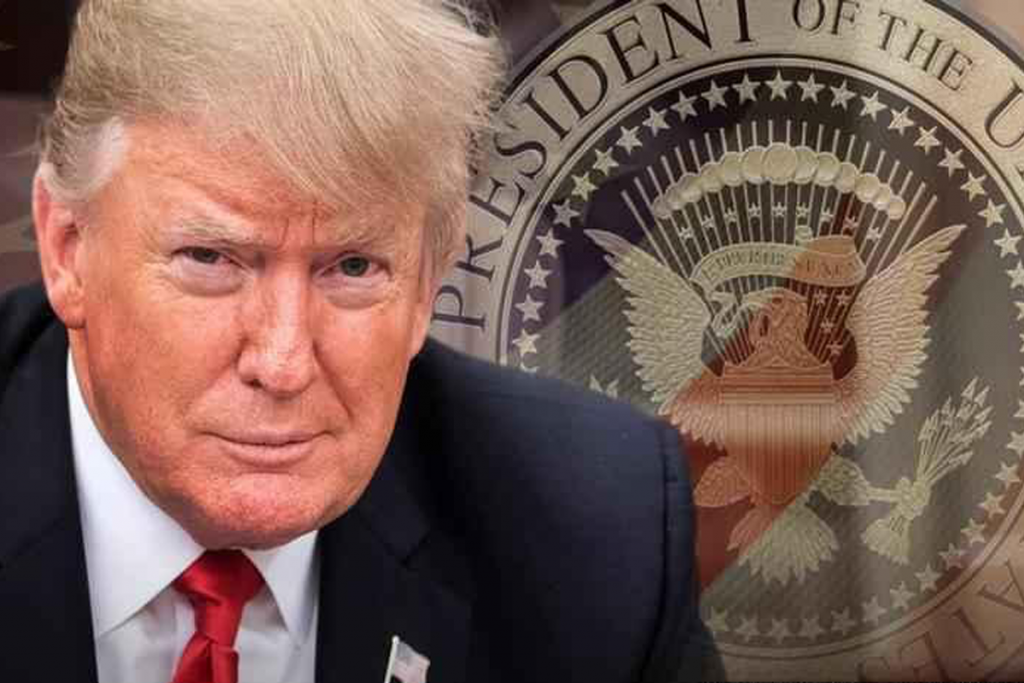
Washington DC.- Real estate mogul Franklin Haney contributed $1 million to President Donald Trump’s inaugural committee and all he’s got to show for the money is the glare of a federal investigation.
The contribution from Haney, a prolific political donor, came as he was seeking regulatory approval and financial support from the government for his long-shot bid to acquire the mothballed Bellefonte Nuclear Power Plant in northeastern Alabama. More than two years later, he still hasn’t closed the deal.
His tale is a familiar one in Washington, where lobbyists and wealthy donors use their checkbooks to try to sway politicians. It’s a world Haney is accustomed to operating in and one that Trump came into office pledging to upend. Yet Trump has left in place many of the familiar ways to wield influence.
Haney’s hefty donation to Trump’s inaugural committee is being scrutinized by federal prosecutors in New York who are investigating the committee’s finances. Their probe is focused in part on whether donors received benefits after making contributions.
Trump’s former personal attorney, Michael Cohen, has given prosecutors information regarding Haney, his son and business associate, Frank Haney Jr., and the nuclear plant project, according to a person familiar with what Cohen told the authorities. The person was not authorized to speak publicly and requested anonymity.
Haney had briefly hired Cohen to help obtain money for the Bellefonte project from potential investors, including the Middle Eastern country of Qatar. Cohen is now serving a three-year prison sentence for tax evasion, lying to Congress and campaign finance violations.
Haney and his attorney did not respond to interview requests.
Prosecutors also are examining whether foreigners unlawfully contributed to the committee. Federal prosecutors in Manhattan issued a subpoena last year seeking a wide range of financial records from the committee, including any “communications regarding or relating to the possibility of donations by foreign nationals.”
The inaugural committee has denied wrongdoing and said its funds were fully accounted for.
Haney, 79, has previously faced accusations that his political gift giving is aimed at cultivating influence. An investigation by House Republicans in the late 1990s alleged that Haney’s money and his political pull with senior Clinton administration officials helped him to get the Federal Communications Commission to move into an office building that he had a major stake in. Haney denied any wrongdoing and the Justice Department declined to pursue the matter.
Haney’s Nuclear Development company also has applied to the U.S. Energy Department for financing assistance on the project. The department said it considers the loan application process to be “business sensitive” and declined to comment.
Stephen Smith, executive director of the nonprofit Southern Alliance for Clean Energy, said Haney faces too many technical and financial hurdles to overcome.
For example, Bellefonte’s never-completed nuclear reactors are decades old and are of a unique design that has never received an operating license in the U.S. before. He compared Bellefonte to a Ford Pinto, a 1970s-era vehicle with serious engineering flaws. Smith said it’s “extraordinarily unlikely” Bellefonte will be allowed to operate.