- «We believe in people and businesses to grow together.»
- (202) 903-0304
- director@freedomnewstoday.com



Trump Limits Sales Of Venezuela’s Assets
February 7, 2019
Mariano Rajoy Resigns As Leader Of The Popular Party
February 7, 2019
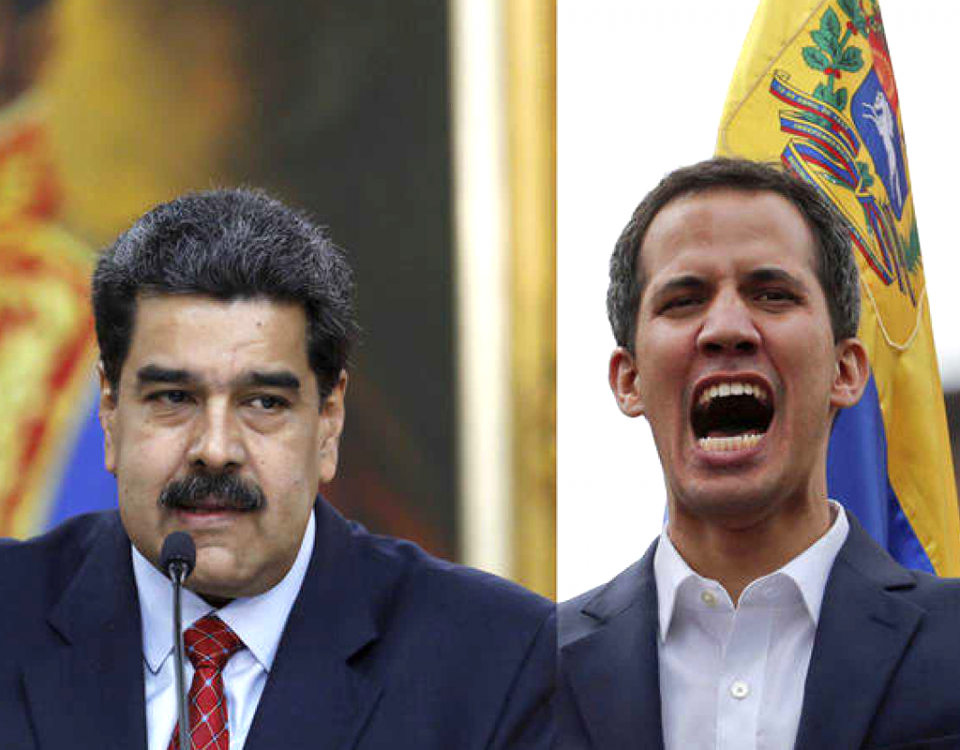
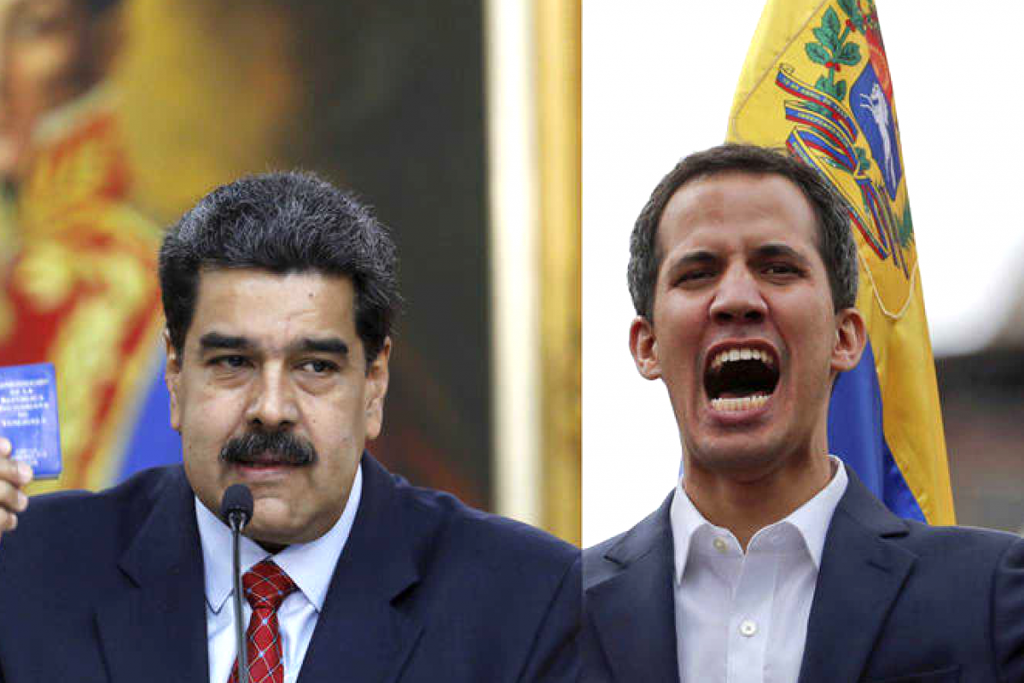
President Nicolás Maduro on Tuesday declared ungrateful people to the charge d’affaires of the United States embassy, Todd Robinson, and the Minister Counselor of the diplomatic representation and gave them 48 hours to leave the country, a decision that marks a deterioration in the relations between Caracas and Washington, which the previous day took a step more in the hardening of the sanctions against the Venezuelan government in rejection by the presidential elections.
After accusing Robinson, the highest diplomatic representative of the United States in Venezuela, of participating in alleged economic, military and political conspiracies, Maduro ordered his retirement and that of his second, Brian Naranjo.
The governor defended the measure alleging that he did so in “protest and in defense of the dignity of the Venezuelan homeland.” Maduro pointed directly to the diplomatic representation in Caracas to promote a “permanent conspiracy” and said that he authorized the vice president to present in the coming days alleged evidence of conspiracies in the military, economic and political field of Robinson, whom he accused of violate the “international law shamelessly”.
He recalled that Venezuelan Foreign Minister Jorge Arreaza has called attention to the diplomat on several occasions and has given him “more than ten notes of protest” to demand that he rectify.
The diplomat has also been accused of pressuring the opposition not to participate in the presidential consultation and to withdraw from the negotiating table held by the government and the opposition until the beginning of the year in the Dominican Republic. “Enough of conspiracies,” said Maduro during a speech he offered at the headquarters of the National Electoral Council where he went to receive certification as the winner of the elections on May 20 and accreditation to govern the country between 2019 and 2025.
“The government of the United States intends to continue escalating its aggression against Venezuela,” the president said, criticizing the new sanctions that Washington agreed on that limit the Venezuelan government’s ability to liquidate public assets. In remarks broadcast by the Union Radio news station during his visit to the Andean state of Mérida, Robinson affirmed that he and his minister counselor “strongly reject the accusations”.
He indicated that he learned about Maduro’s order through social networks and added before a group of people in the Venezuelan-American Chamber of the town that it was the first time he visited that Andean state, but “it will not be the last visit to Merida or Venezuela. ” Hours later on Twitter, the Venezuelan foreign minister announced Maduro’s decision to appoint Carlos Ron Martínez as deputy foreign minister for North America. Until Tuesday Ron Martinez exercised with “dignity, respect” as Chargé d’Affaires in Washington, added the chancellor when he announced the movement, which seems to anticipate the expected reaction of the Donald Trump government to the expulsion of Robinson.
The State Department spokeswoman, Heather Nauert, rejected the accusations against the two US diplomats, and told a press conference that the accusations were “false”. The United States, Canada, the European Union and other countries of the region rejected the presidential elections alleging that they did not comply with the international standards of a democratic, free, fair and transparent process. Robinson’s expulsion order comes a few days after the diplomat offered some public statements demanding information about the situation of the American Joshua Holt after a protest that took place at the headquarters of the political police where he has been held for two years, and He stated that according to international regulations, diplomats should be allowed access to prisons to visit their fellow nationals.
Between February and March, the Venezuelan Foreign Ministry delivered Robinson two notes of protest for maintaining a management considered “permanent public provocation” and for assuming “opinions and roles of an opposition political leader.”
Likewise, the president of the ruling National Constituent Assembly, Delcy Rodríguez, accused the business manager in February of promoting a coup and threatened to take the appropriate diplomatic measures against him. Since his arrival in Venezuela five months ago, Robinson has maintained a critical stance towards the government that he has expressed in several messages on his Twitter account and in the press. The political scientist and university academic, Carlos Romero, considered the expulsion of the diplomat as a “very negative” measure that will affect the good development of hemispheric relations and told The Associated Press that the reaction of the Venezuelan government seeks to “divert attention” from the country before the strong local and international questions that have arisen against the elections, and the risk that deepens the economic and social crisis before the sanctions of the United States and the similar actions that could take the European Union.
For several years Caracas and Washington have maintained tense relations that have been escalating in recent months after the sanctions that have been imposed on Maduro and other high officials and the government. Since 2010 both nations have no ambassador. In October 2013, Maduro expelled Kelly Keiderling, business manager of the US Embassy in Caracas, as well as Elizabeth Hoffman and David Moo, who occupied the secretariat for political affairs of the diplomatic mission and the vice-consulate, alleging that they were in supposed conspiracy activities. In response, Washington expelled the charge of business from the Venezuelan embassy in Washington, Calixto Ortega, and two other Venezuelan officials.