- «We believe in people and businesses to grow together.»
- (202) 903-0304
- director@freedomnewstoday.com



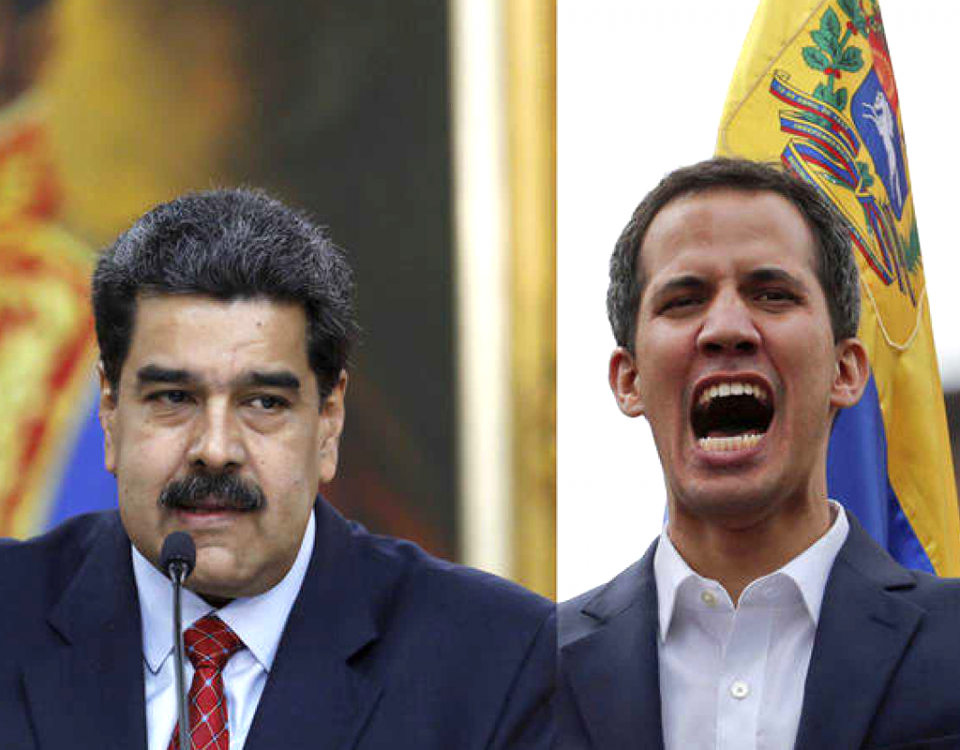
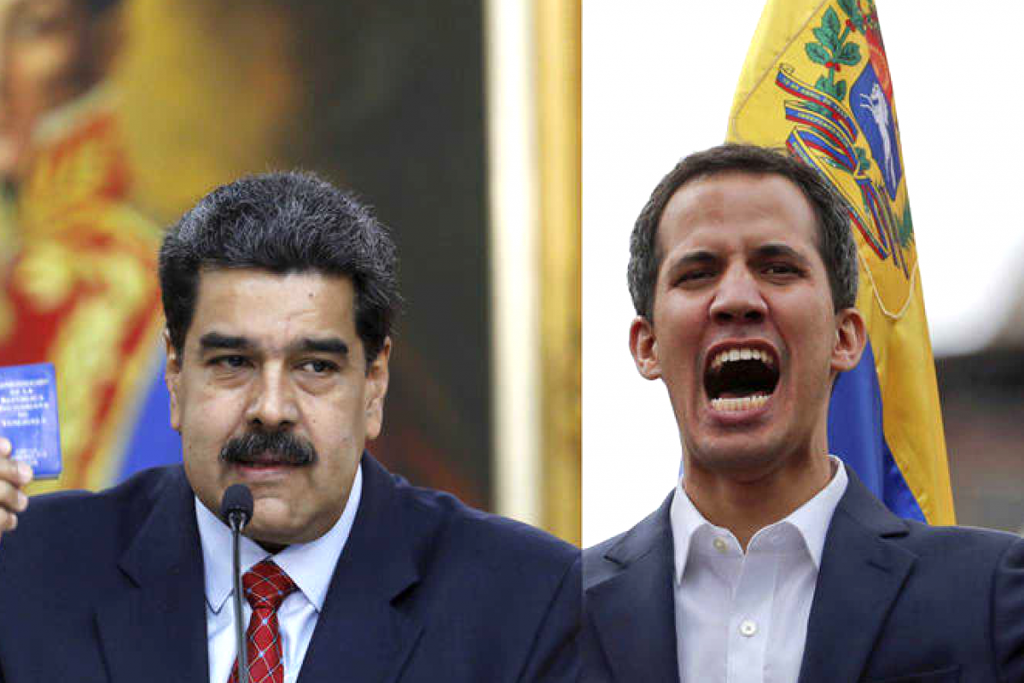
Venezuela: Maduro Orders Retirement Of US Senior Diplomat
February 7, 2019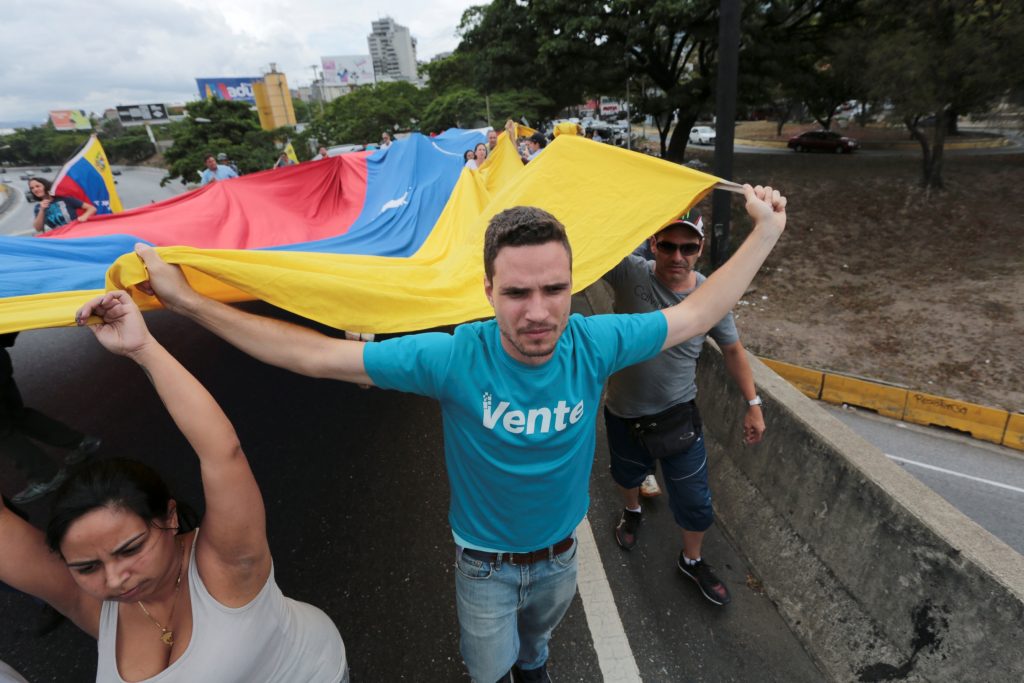
President Donald Trump signed an order Monday limiting the Venezuelan government’s ability to sell public property after the South American country held elections that Washington considered “a farce.”
The White House reported that Trump’s order will limit the Venezuelan government’s ability to liquidate public assets “at minimum prices at the expense of the Venezuelan people.”
Hours before, the Trump government made it clear that it considers the election in Venezuela a “farce” and promised to take swift measures to increase the economic and diplomatic pressure on the government of Nicolás Maduro.
In Caracas, Venezuelan Foreign Minister Jorge Arreaza rejected the new US sanctions and accused Washington of adopting “absolutely illegal” measures to twist the arm of a country that on Sunday showed in the presidential elections “a great muscle” to strengthen its democracy, its independence and its sovereignty.
Arreaza added that “there is no kind of restrictive measure, unilateral coercive measure, no type of pressure” that could intimidate Venezuela, not even if it is a power like the United States or Trump, commander-in-chief of the most powerful of The armies. While world leaders quickly condemned the election process, US Vice President Mike Pence said Monday that the vote was “neither free nor fair.”
He said it was a “false process” whose result is illegitimate and added that the decision to carry out the elections was “one more blow to the proud democratic tradition of Venezuela.”
“The United States opposes the dictatorship and is with the people of Venezuela,” said Pence. He insisted that Maduro must allow the entry of humanitarian aid into a country where widespread food shortages and hyperinflation have fueled the social crisis and opposition to Maduro’s government.
Maduro won almost 68% of the votes, according to the National Electoral Council, with more than 92% of polling places counted. That was an advantage of more than 40 points over his closest challenger, Henri Falcón. Even before the vote, the United States urged Venezuela not to hold it. By raising diplomatic pressure, Secretary of State Mike Pompeo warned that the government of Venezuela “faces the isolation of the international community” until it re-establishes democracy and holds free and transparent elections.
Pompeo mentioned several examples of how Maduro’s government would have intervened in the electoral process, including the repression of the press, the government’s domination of the electoral council, the silencing of dissent and the exclusion of the main opposition parties. He also accused the Maduro government of “selectively” rationing food to manipulate the votes of hungry citizens.
“The United States is with the democratic nations in support of the Venezuelan people and will take quick economic and diplomatic measures to support the restoration of their democracy,” Pompeo said in a statement.