- «We believe in people and businesses to grow together.»
- (202) 903-0304
- director@freedomnewstoday.com



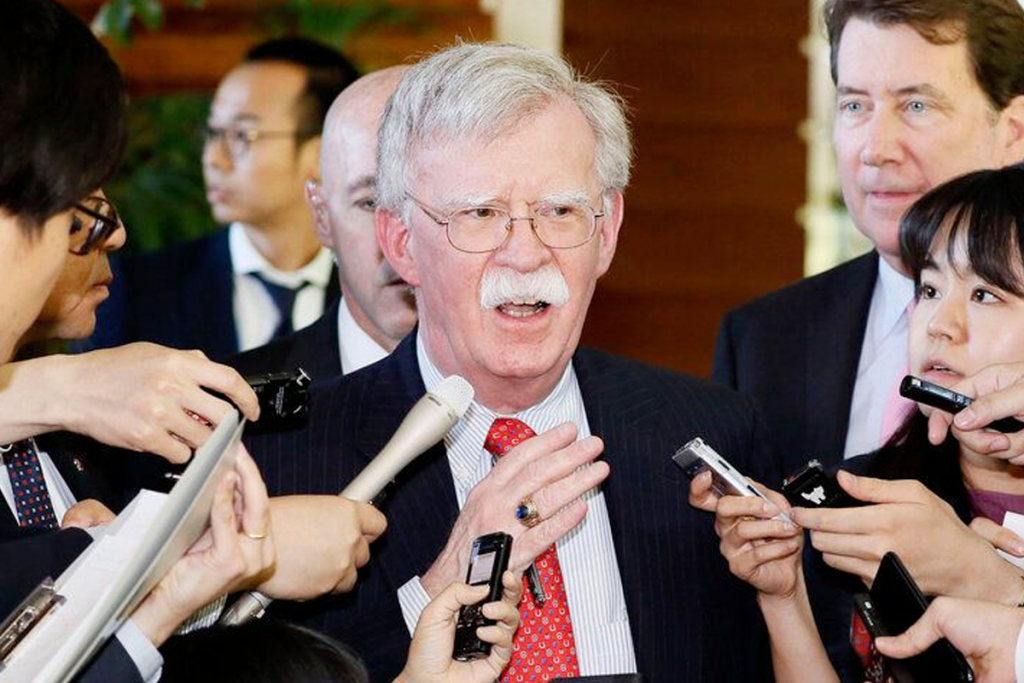
North Korea calls John Bolton “war monger” over missile comment
May 29, 2019
Congressman Likens His own behavior in Marines to that of war crimes suspect
May 29, 2019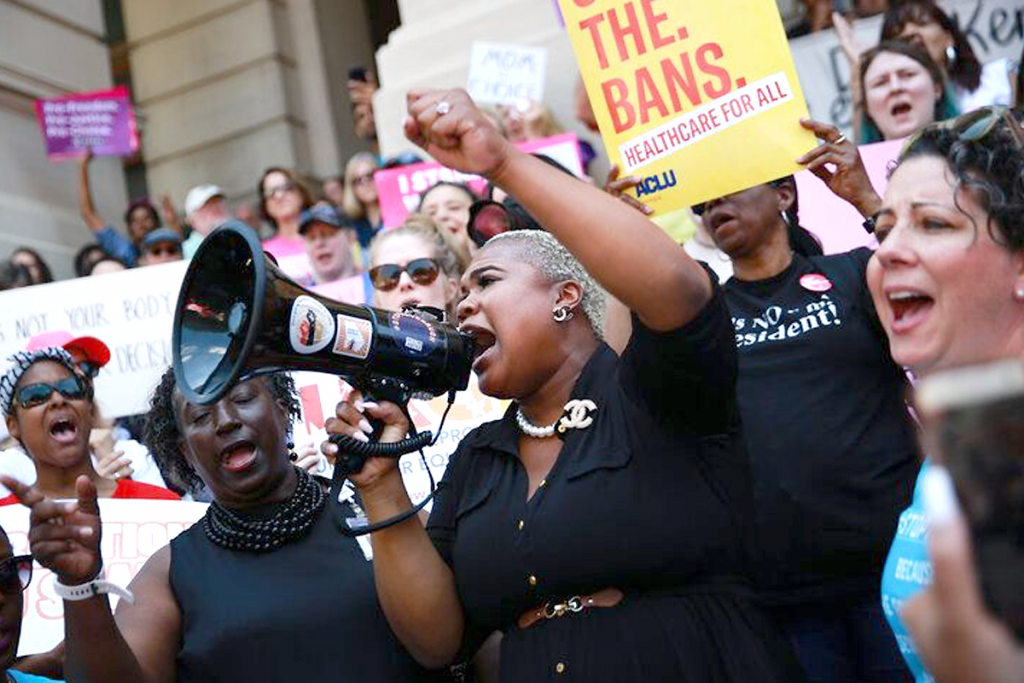
Black people “know more than anybody that being able to control our bodies is essential to our liberation,” said Yamani Hernandez.
Washington DC.- As several states pass restrictive abortion bans, abortion rights activists are urging supporters of reproductive justice to rally behind longstanding grassroots organizations and black advocates from communities gravely affected by the new laws.
Last week, the Alabama Senate passed the strictest anti-abortion law in the nation. As many noted on social media, the 25 senators who voted for the ban — which is expected to disproportionately criminalize people of color and low-income people — were white men.
Nearly every black person in the Alabama Senate voted against the ban. Five out of the six state senators who voted against the abortion ban are black, and the only other black state senator, Malika Sanders-Fortier, abstained.
Yamani Hernandez, executive director of the National Network of Abortion Funds, noted that black legislators, activists and black-led organizations have been aggressively fighting for reproductive justice for years.
For example, Rep. Barbara Lee (D-Calif.) introduced the EACH Woman Act in 2015 to effectively repeal the Hyde Amendment, which prohibits federal funding for abortions with exceptions for rape, incest or to save the life of the pregnant person.
The new abortion bans have not only sparked protests, they’ve also offered more ways for advocates to promote cooperation, like the recent Twitter hashtag #AbortionSolidarity, which encourages people to spotlight abortion rights organizations, health providers and independent funds across the nation.
The recent bans have also spurred conversations about inclusivity and racially insensitive language.
On Saturday, Laverne Cox drew attention to abortion rights language that excludes transgender men. Last week, many on social media criticized people who used hashtags like #UndergroundRailroad2019 and #AuntieNetwork to offer people seeking abortion care a place to stay across state lines.
While people have been forming underground networks to support abortion care for decades, assistant professor Sami Schalk pointed out on Twitter that the recent language and hashtag “draws on our cultural legacies in terminology.”
The National Network of Abortion Funds, founded 25 years ago, approaches abortion rights issues by tackling the ways economic, racial, gender and reproductive justice all intersect. The nonprofit works with over 70 member organizations located in about 40 states (a list of individual funds across state lines can be found here).
Hernandez about the importance of elevating black voices and black leaders in abortion rights movements, and how the new anti-abortion laws affect staggering black maternal mortality rates.
On rallying behind black leaders and elected officials:
Hernandez noted that women of color lead the National Network of Abortion Funds’ All Above All campaign, which is aimed at repealing the Hyde Amendment.
“That campaign is led by women of color in terms of the organization,” she said. “But it’s also the legislators that have signed on to it and who have really carried the torch in the House and the Senate… [they] have been people of color. Barbara Lee is the primary sponsor, she is in California, and there’s been countless others, so it makes a difference.”
Hernandez also pointed to a number of organizations, including National Black Women’s Reproductive Justice Agenda and Movement for Black Lives, that mobilize to connect with black legislators and policymakers on issues that especially affect communities of color.
“There’s a lot of myths about the black community and the conservative views around the black community and abortion, but they actually don’t hold up when you do the polling,” she said, “Black folks still want access to contraception, to sex ed, to abortion, to equitable birth, all of those things. And we know more than anybody that being able to control our bodies is essential to our liberation.”
She continued, “I think it’s important that we have the representation and that representation isn’t the only thing, because you can be black and not necessarily hold the values that other black people hold. But the education and organizing of black leaders is really important.”